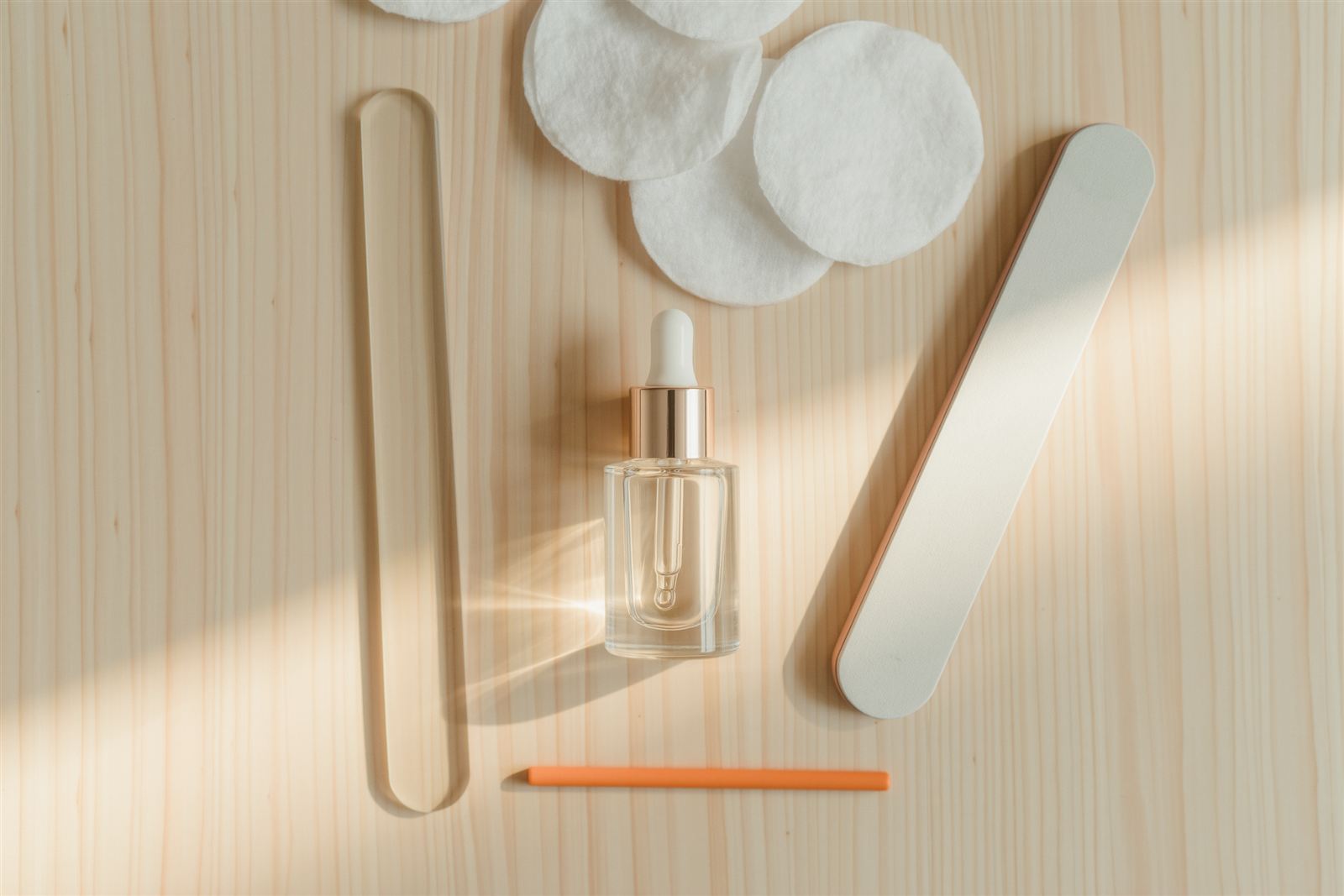
What nails are telling you
Fingernails and toenails grow from the nail root, tucked under the skin at the base. The cuticle seals that gap, and the nail plate that you see is made of hard, flat, dead cells that harden as they push forward. Healthy nails are smooth, with an even color and no deep ridges. Most nail trouble is the result of everyday habits, such as water, soap, sanitizer and picking, and most of it improves with moisture and a lighter touch.
Cuticles: leave them be
The cuticle is a natural barrier against bacteria and fungus. The Cleveland Clinic's dermatologists say not to cut or push back cuticles, and to apply moisturizer and cuticle oil daily. If dead skin around the nail catches on things, soften it with a shower and then ease it back gently with a wooden or plastic stick. Metal tools need to be disinfected between each use.
Trimming and filing
- Trim after a bath or shower, when the nail is soft.
- Cut fingernails nearly straight across and round the corners slightly. Cut toenails straight across.
- File in one direction, with a fine file, rather than sawing back and forth.
- Short nails collect less dirt and snag less. Shorten them when they are splitting.
Moisture is the whole game
According to the Cleveland Clinic, nails lose water faster than skin does, and frequent handwashing and hand sanitizer dry them out. Its advice for brittle nails is simple: heavy hand cream at bedtime, a lanolin nail conditioner several times a day, an overnight layer of petroleum jelly, and nails kept a little shorter. It also cautions against alcohol-based products on the nails. Drinking extra water and eating gelatin, it says, do not make nails more supple.
Polish, hardeners and removers
The FDA regulates nail polish and similar products as cosmetics and says labels must carry a warning when needed to prevent a health hazard. It notes that formaldehyde and a related ingredient, found in some hardeners and polishes, can make nails brittle and can irritate skin or cause allergies. If your nails are weak, check the label. Use polish remover in a room with good airflow and keep it away from heat or flames, as the FDA advises for products that can catch fire. A formaldehyde-free clear polish is a safe default.
Gel and acrylic aftercare
If you wear gel or extensions, give your nails regular breaks. The Cleveland Clinic suggests limiting gel to a few times a year, never peeling it, and soaking it off. After removal, nails that look thin or dry need a short trim, daily cuticle oil and patience. Damage cannot be reversed, but new growth is healthier in a moisturized environment. The guide to gel, dip, acrylic or regular covers the options.
When to see a provider
See a health care provider if you notice grooves or separation of the nail plate, or redness, swelling or soreness in the skin around the nail. The Cleveland Clinic lists fungal infections, nutritional deficiencies, psoriasis, thyroid disorders and Raynaud's syndrome among conditions that can show up in the nails. A change in nail color, a dark streak that was not there before, or a nail that lifts off the bed deserves a professional look rather than more polish. A salon is not the place to diagnose these.
Habits that help
Wear rubber gloves for dishes and cleaning, keep a hand cream at every sink, and keep fingers out of your mouth. In winter, add the steps in the winter care guide. If you prefer to do your own manicure, the at-home routine walks through it.
Questions people ask
Should I push back or cut my cuticles?
The Cleveland Clinic's dermatologists say not to cut them and not to push them back forcefully, because they are a barrier against infection. Moisturize and use cuticle oil daily.
Why are my nails brittle?
Frequent handwashing and sanitizing, aging, long nails, regular use of nail cosmetics and some medical treatments can all play a part. See a provider if the change is sudden or comes with other symptoms.
Do nail hardeners help?
The FDA notes that some hardeners contain formaldehyde, which can make nails more brittle and cause irritation or allergy. Check labels, and choose a formaldehyde-free option if you use one.
How should I file my nails?
With a fine file, in one direction, after the nail has softened in a shower or bath. Round the corners of fingernails slightly.
What nail changes need a doctor?
Grooves or separation of the nail plate, red, swollen or sore skin around the nail, or sudden color changes. Conditions such as fungal infection, psoriasis and thyroid disorders can show up in the nails.
Does biting nails matter?
Yes. It damages the nail and the skin around it and can introduce bacteria. The Cleveland Clinic advises keeping fingers away from the mouth.
Sources: [1] health.clevelandclinic.org [2] health.clevelandclinic.org [3] fda.gov