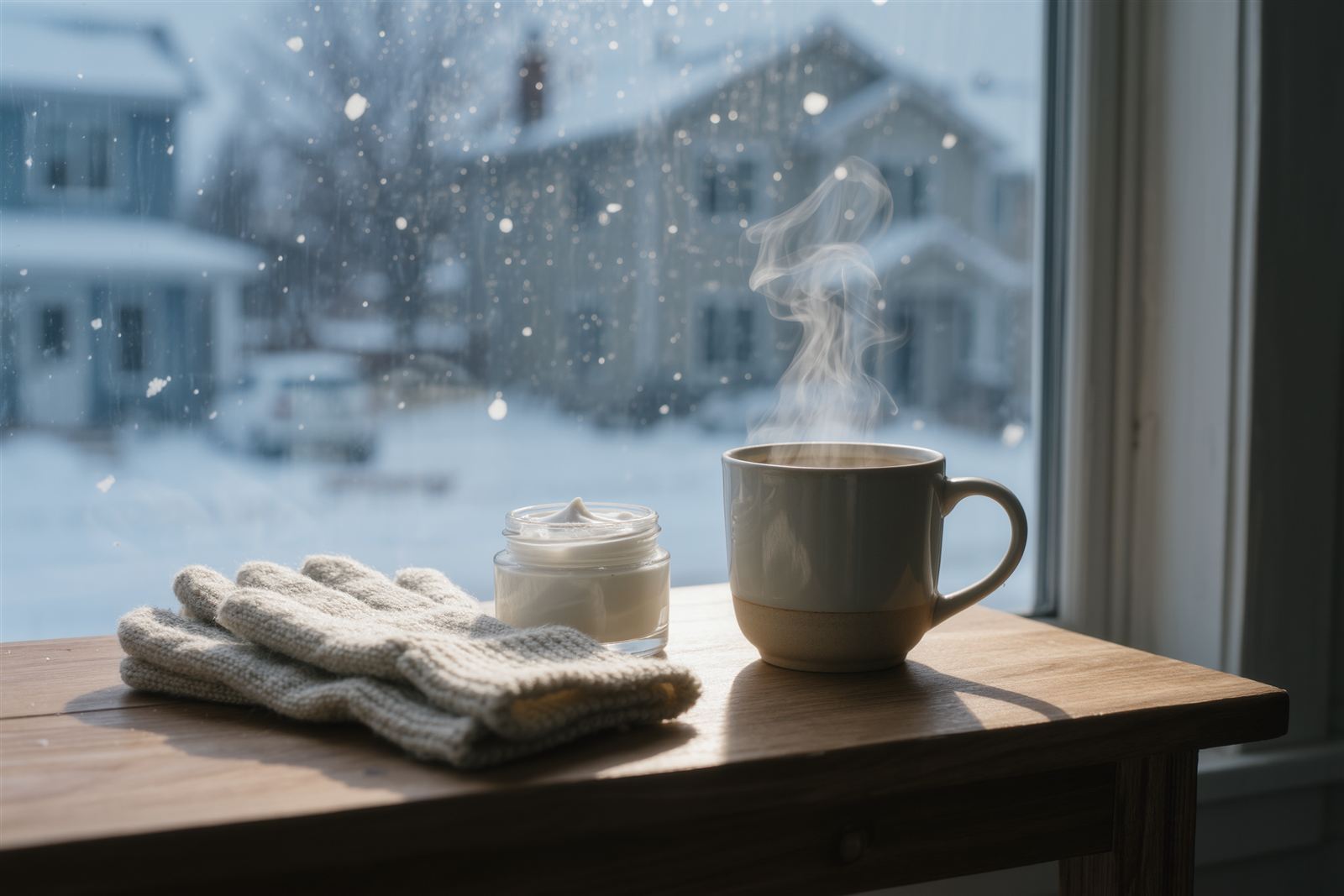
Why Minneapolis winters are hard on hands
The National Oceanic and Atmospheric Administration's 1991 to 2020 normals put the average January temperature in Minneapolis and St. Paul at about 16.2 degrees Fahrenheit, with roughly 51 inches of snow in an average winter. Indoors, heating pulls moisture out of the air. Outdoors, cold air holds little water. Add frequent handwashing and the bottles of sanitizer that fill bags and cars, and you have the recipe for cracked knuckles, split nails and frayed cuticles by midwinter.
The Cleveland Clinic explains that nails lose water faster than skin does, so they are often the first to show it. Frequent handwashing and sanitizing dry them out, and nails that stay dry grow brittle. Longer nails and regular nail cosmetics raise the odds of splitting and breaking, which is why January is the month when many people look at their hands and wonder what happened.
A routine that holds up to January
- Cream, then cream again. Use a heavy hand cream at bedtime and a lighter one between handwashing. The Cleveland Clinic suggests a lanolin-based nail conditioner several times a day, and it advises avoiding alcohol-based products on the nails.
- Try slugging. After your usual skin care, cover your hands with petroleum jelly or a similar thick ointment and sleep in thin cotton gloves. Wake up to softer cuticles and nails.
- Leave the cuticles in place. They protect the nail root. Moisturize them and apply cuticle oil daily.
- Keep nails a little shorter. Shorter nails snag and split less. Clip or file them down for the coldest weeks.
- Wear gloves outside and for chores. Lined gloves for shoveling and walking, rubber gloves for dishes. Water, soap and wind are the three things that strip the skin around the nail.
- Take a polish holiday. The Cleveland Clinic recommends skipping gel manicures in winter if your nails are brittle. If you still want color, choose a clear polish that is free of formaldehyde.
Feet, too
Winter boots, thick socks and dry indoor air leave heels rough and cracked. A thick foot cream after the shower and cotton socks over it at night make a real difference. Keep toenails trimmed straight across so they do not catch on socks. A spa pedicure in the cold months is as much about comfort as polish; the pedicure guide explains what to expect and how to look after your feet afterward.
When to ask for help
Dry nails that improve with moisture are normal. Nails that split into layers, grow ridged or grooved, separate from the nail bed, or sit in skin that is red, swollen or sore are worth showing to a health care provider. The Cleveland Clinic lists fungal infection, nutritional deficiencies, psoriasis, thyroid disorders and Raynaud's syndrome among conditions that can show up in the nails. If you are in cancer treatment, brittle nails can be a side effect, and your oncologist can advise you.
Plan around the weather
A manicure that survives one commute in January still needs to survive the next. Book salon visits for the day when the roads are clear if you can, carry a small tube of hand cream and a nail file in your coat, and give yourself a few extra minutes at the door so you are not fumbling with keys and chipping polish. The seasonal guide lists how care changes from winter to spring, and the salon directory lists places across Minneapolis for a mid-winter reset.
Questions people ask
Why do my nails split more in winter?
Nails lose water faster than skin, and winter air, indoor heating and frequent handwashing dry them further. Dry nails become brittle and split.
Should I skip gel manicures in winter?
The Cleveland Clinic recommends skipping them if your nails are brittle, especially in winter. If you want color, a formaldehyde-free clear polish is a gentler choice.
What is nail slugging?
Covering the hands with petroleum jelly or a similar thick ointment after your skin care routine, usually overnight. It seals in moisture so cuticles and nails soften.
How cold does Minneapolis get?
NOAA's 1991 to 2020 normals list an average January temperature of about 16.2 degrees Fahrenheit for Minneapolis and St. Paul, with about 51 inches of snow a year.
Is it okay to get a pedicure in winter?
Yes. Many people book one in the cold months for comfort, since boots and dry air are hard on heels. Dry thoroughly between the toes and moisturize afterward.
Sources: [1] health.clevelandclinic.org [2] health.clevelandclinic.org [3] en.wikipedia.org